

Seamless collaboration: uniting business and IT through low-code and pro-code parity

Historically, software development clearly separated business and IT roles. Business teams defined the business requirements, while IT teams built digital experiences (e.g., customer-facing applications) based on these requirements. There was a continuous feedback loop where business teams reviewed and provided feedback, and IT teams made necessary changes until the digital experience was public-ready. Although effective, this process was protracted, as business teams had to await IT's progress to provide feedback, and IT teams depended on business requirements to make modifications to the digital experiences they were building.
In today's landscape, organizations must continuously innovate, and regularly launch new digital experiences to meet customer expectations and maintain their competitive edge. This necessitates a significantly shorter feedback loop between business and IT, making traditional development approaches unsustainable. No-code and low-code technology platforms offer a modern solution to this problem. These platforms, with their intuitive visual drag-and-drop interfaces, enable business users to actively contribute to digital experience creation. While these platforms have partially addressed the need for accelerated development, they are unable to offer a comprehensive solution for all scenarios.
Modern integration projects typically require both low-code and pro-code development, as they involve contributors with diverse skill sets. Business users, who are comfortable with no-code and low-code tools, typically handle straightforward integration scenarios, while developers, who prefer the flexibility of pro-code, tackle more advanced and complex integration challenges. Additionally, LLM-powered AI copilots, which help boost productivity and accelerate time to market, have become critical components of modern development. These copilots interact more effectively with textual pro-code than with drag-and-drop low-code interfaces, ensuring that pro-code continues to be a crucial element in any modern integration project.
However, many integration vendors like MuleSoft, TIBCO, Boomi, and Workato offer only low-code integration development. This forces their customers to use general purpose programming languages or frameworks such as Python, Spring Boot, Java, or C++ for their pro-code needs, in addition to the vendor’s platform. This creates a disjointed experience where business users use one technology while developers use another. Such a fragmented approach hinders business and IT collaboration, as the business must wait for IT to complete development before providing feedback, recreating the time-consuming feedback loop of traditional software development.
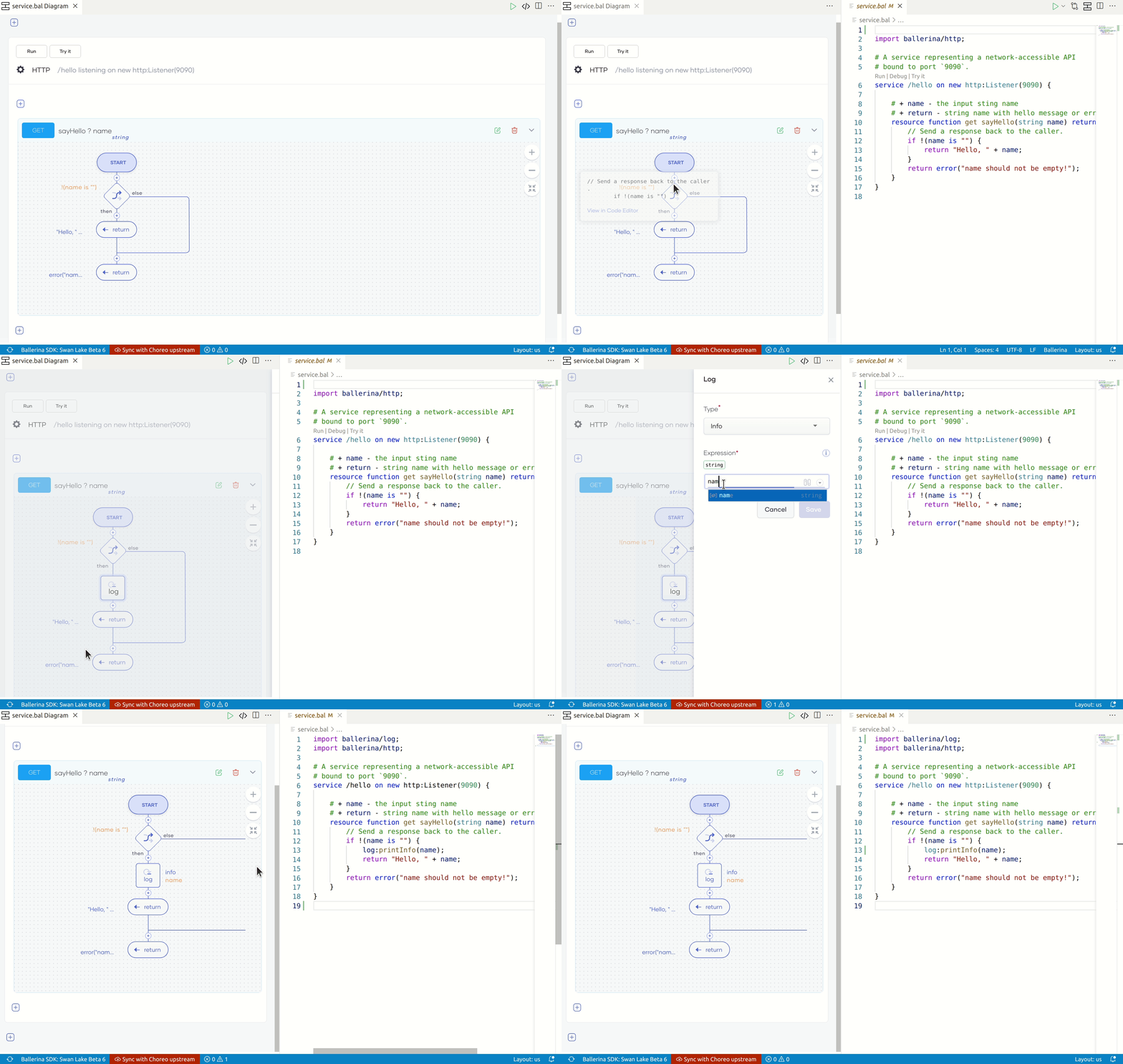
Figure 1.1: 100% low-code and pro-code parity
WSO2 offers a unique solution to this problem with an industry-first approach to integration development that provides low-code and pro-code on a single technology, with 100% parity between the two—any changes made to one are instantly reflected in the other with complete accuracy, ensuring a consistent and accurate representation of the integration logic, regardless of the development method.
Business users still have a low-code graphical interface, including AI assistance, to actively contribute to integration projects. Additionally, as IT builds integrations in pro-code, the low-code graphical interface is instantly updated, allowing business users to visualize and interact with the changes in real-time, empowering them to provide immediate feedback. This innovative approach, made possible by the Ballerina programming language, fosters real-time collaboration between business and IT teams, and eliminates traditional, time-consuming feedback loops. The result is a more agile, responsive, and efficient development cycle that aligns IT efforts directly with business needs, leading to faster innovation, faster time-to-market for new digital experiences, and a stronger competitive edge.
Get started for free with Devant by WSO2, an AI integration platform as a service (AI iPaaS), or download WSO2 Integrator: BI, and try WSO2’s unique integration development experience for yourself.