

7 best practices for hybrid Cloud
API Management
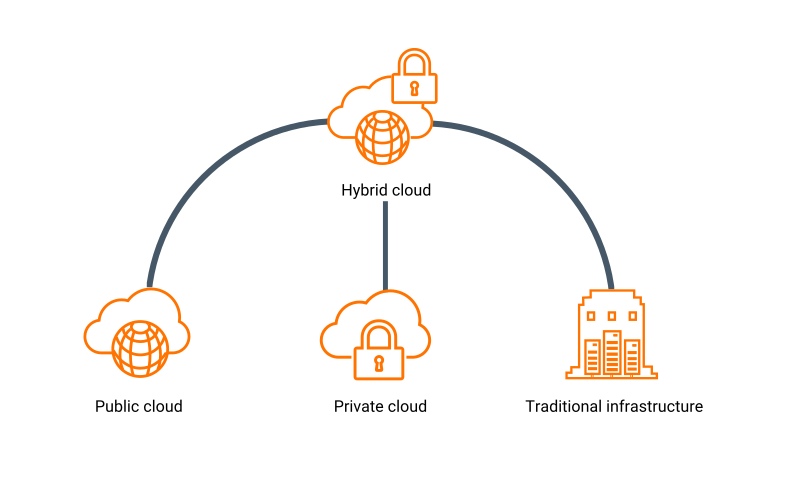
Many enterprises are moving towards hybrid infrastructure, where some parts of a solution are in the cloud while others are in traditional on-premises data centers. The rising popularity of cloud computing has become a catalyst for this trend.
Hybrid API management combines and unifies public cloud, private cloud, and on-premises infrastructure to create a single, flexible, cost-optimal API management system.
Hybrid API management helps organizations to build feasible, reliable, and agile solutions to address changing business requirements. In most hybrid deployments, the management user interface, i.e., the developer portal, and analytics are in the cloud, enabling easy access to API publishers and subscribers.
The runtime is mostly deployed on-premises to cut down the network overhead, ensure security and compliance, and remove the need for VPNs or any other network connectivity solution. In some cases, the runtime is hosted in a private cloud infrastructure.
But how can you get it right?
Best practices
Perform a system assessment in advance
In a hybrid cloud environment, it’s key to know the specifications in detail before exposing them to consumers. The expected workload, load balancing, and dependencies between each other should be carefully evaluated. This will help the hybrid cloud API ecosystem to run smoothly when it is exposed to users.

Have the right identity and access management solution
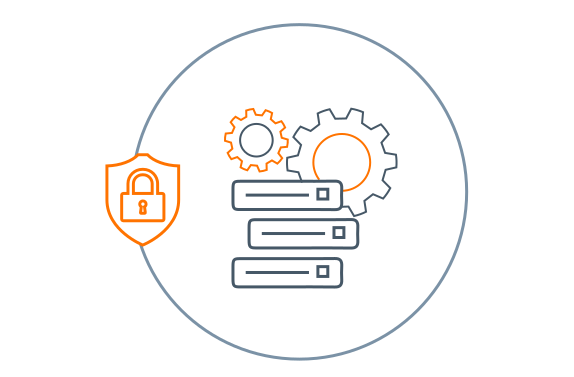
It's crucial to safeguard critical enterprise systems, assets, and information from unauthorized access in any IT application. Using proper identity and access management will ensure the security of hybrid cloud environments, with security functions like authentication, authorization, and provisioning of storage and verification.
Maintain traceability options
A hybrid cloud API deployment should be available 24/7. In this context, recording the action sequence—with log analysis, correlation, or tracing—is important because you can backtrace activities. These observability capabilities will assist to generate alerts for detected abnormalities, proactively identify failures, and find the root cause of system failure.


Implement a “least privilege” strategy
In hybrid cloud API management deployments, public and private cloud resources or infrastructure constantly interact. You should have access control mechanisms to ensure safe communication between them while maintaining maximum service availability. The practice of implementing a “least privilege” access strategy will allow communication between components only when it's necessary with only the required access rights.
Conduct continuous audits
Teams should conduct periodic audits because it’s more complex than a traditional on-premises API management setup. Periodical audits can provide real-time visibility, while monitoring what's happening behind the scenes. This information is valuable to identify possible vulnerabilities, misuse of resources, or information theft. This insight can be used to implement and refine controls and security measures.

Support flexibility and scalability
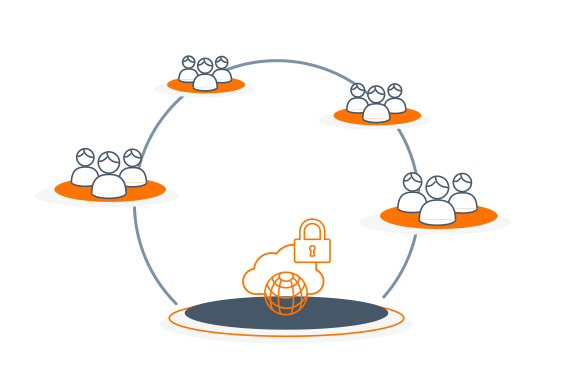
When the API business expands, the infrastructure has to be able to scale to meet new demands. Therefore, a hybrid cloud API management system must be flexible and scalable and ensure maximum uptime for consumers.
Reliable backup systems
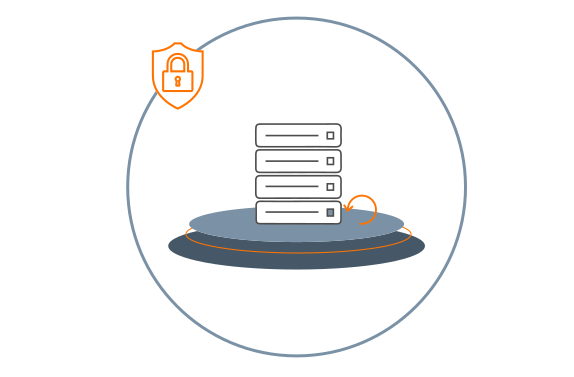
A reliable backup system is critical to safeguard the hybrid cloud API ecosystem. It’s recommended to maintain these backups separately from the hybrid environment, so that an attacker has less of a chance to access them. This will help to reduce the time taken to re-initiate the system if there is an attack or malfunction.
WSO2 provides a complete solution for building, integrating, hosting, and securely exposing services, APIs, and event streams to effectively drive your digital transformation strategy. Today, we enable enterprises like yours to deliver value across their stakeholder networks. Qantas, Noorderkwartier (HHNK) and Securitas Direct SA have all implemented successful digital transformation initiatives and contribute to the 60 trillion transactions that WSO2 handles every year.